

Treatment-resistant depression
Treatment-resistant depression (TRD) refers to major depressive disorder that has not responded to standard treatments, such as antidepressants and psychotherapy. For individuals with TRD, these treatments may alleviate symptoms for only a short period of time, or they may not have much of an effect at all.





How common is treatment-resistant depression?
While many individuals suffering from depression experience relief from standard treatments, others may continue to have depressive symptoms. Some estimates suggest that up to 30% of people with depression may have treatment-resistant depression. Several factors risk factors include having early onset of depression, experiencing multiple episodes of depression, having other general medical conditions such as heart disease, and having other psychiatric conditions such as anxiety, personality, and substance use disorders. People with a family history of resistant depression may also be at higher risk.
Why does treatment-resistant depression occur?
The exact reasons why some people develop TRD are not fully understood, but researchers believe it involves a mix of biological, psychological, and environmental factors. Brain chemistry, genetic predispositions, and structural differences in certain brain regions may play a role. Other contributors can include chronic stress, ongoing medical conditions, or the presence of additional mental health disorders. Understanding these factors can help providers tailor a more individualized treatment plan.



Symptoms of treatment-resistant depression
The symptoms of TRD are similar to those of major depression; in TRD, these symptoms persist despite treatment.
These symptoms can include:
-
Persistent feelings of sadness or emptiness
-
Loss of interest in activities that were once enjoyable
-
Fatigue or low energy
-
Difficulty concentrating and making decisions
-
Changes in sleep patterns
-
Restlessness or feeling slowed down
-
Irritability
-
Recurrent thoughts of death or suicide
-
Feelings of excessive guilt
How treatment-resistant depression impacts daily life
Living with TRD can affect much more than mood. Many people find that it interferes with relationships, work performance, and motivation to engage in everyday tasks. Sleep disturbances, lack of energy, and difficulty concentrating can create a cycle that makes recovery feel even more challenging. Recognizing these broader effects is an important step in working with your provider to address both the symptoms and their impact on your quality of life.



How is treatment-resistant depression diagnosed?
A diagnosis of TRD may be made when a person with depression has not responded to multiple trials of antidepressant medications or psychotherapy, or has only had partial or temporary improvement.
Before making a diagnosis, your Geode provider will conduct an assessment of your symptoms, medical history, family history of mental health issues, and any external factors that may be contributing to your depression. It is important to talk with your provider about medications or treatments you have tried, how effective they have been, and any side effects you have experienced. Blood tests, imaging studies, and other medical tests may also be conducted to assess if other medical conditions are contributing to depressive symptoms.
How treatment-resistant depression impacts daily life
When standard antidepressants or therapy are not effective, providers may consider other approaches, such as:
- Adjusting medications — changing the dosage or switching to a different antidepressant
- Combining medications — using two different classes of antidepressants together
- Augmentation strategies — adding mood stabilizers or atypical antipsychotics to existing treatment
- Innovative therapies — options like transcranial magnetic stimulation (TMS) or ketamine-based treatments available at specialized centers
Your provider will discuss the safest and most appropriate options for your specific needs.
Treatment for severe depression when antidepressants are not working

Talk Therapy
Medications can also be combined with psychotherapy, such as cognitive-behavioral therapy, group therapy, or psychodynamic therapy. Therapy can help you identify negative thought patterns and behaviors that may be contributing to your depression.

Augmentation with Another Medication
When patients do not respond adequately to standard antidepressants, adding another medication can help to improve symptoms. This can be a different type of antidepressant or another type of medication.
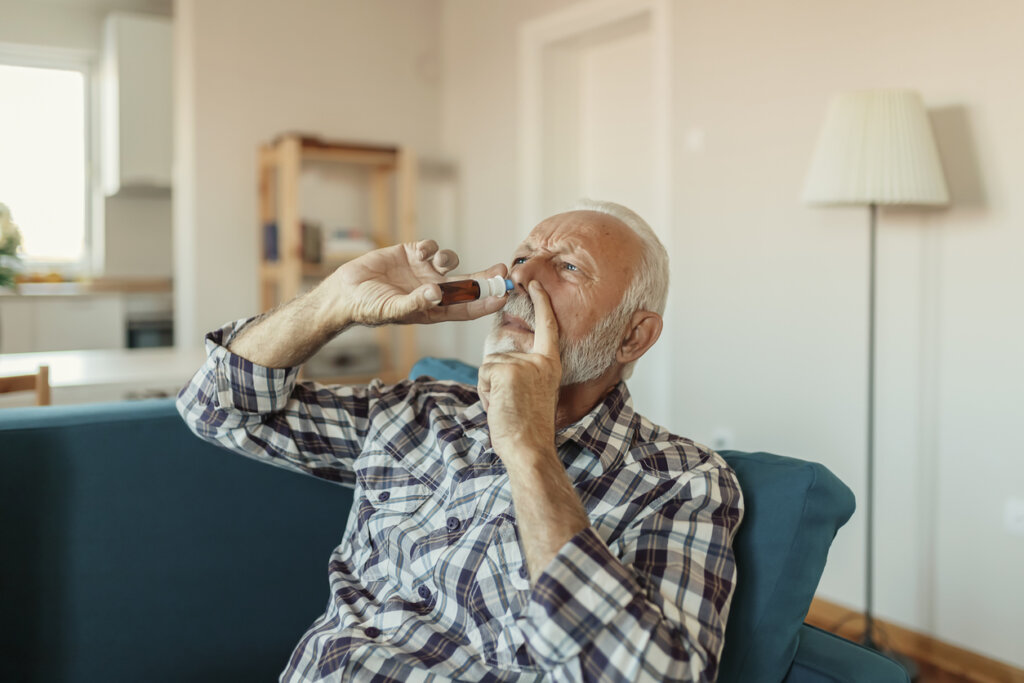
Spravato (Esketamine)
Spravato (esketamine) is a nasal spray that has been approved by the FDA for treatment-resistant depression. It works via a different biochemical mechanism than oral antidepressants and can provide relief from depressive symptoms when oral medications have not been effective.

Transcranial Magnetic Stimulation (TMS)
TMS is a non-invasive procedure that uses magnetic pulses to stimulate areas of the brain thought to be involved in depression. TMS can effectively improve symptoms of depression even in patients who have not responded to standard antidepressants.
Seek help for treatment-resistant depression
If you have not found relief from your depression through medication, therapy, and lifestyle changes, there are still options for you. At Geode Health, our providers are well-versed in treatment-resistant depression and can help you find a treatment that enables you to reach the best outcomes. Find a Geode location near you to get started, or book an appointment online to speak with a provider in just a few days.


If you are in crisis and in need of immediate support
Please call the National Suicide Prevention Lifeline by dialing 988 or text the Crisis Text Line by texting HELLO to 741741